If you've ever mixed up these two words in an email to a client, you're not alone. The invoice vs receipt question comes up constantly for freelancers, small business owners, and anyone new to billing. Both documents relate to money changing hands, but they don't do the same job, and using the wrong one can confuse a client or mess up your bookkeeping.
This guide breaks down exactly what separates an invoice from a receipt, when to send each one, and whether a single document can ever cover both roles.
Key Takeaways
- An invoice requests payment before or during a transaction; a receipt confirms payment already happened.
- Invoices are issued before or at the point of sale; receipts come right after money is received.
- A receipt can sometimes double as proof of payment on a paid invoice, but the two serve different legal purposes.
- Mixing them up can cause confusion over whether a client actually owes you money.
Quick Definitions: What Is an Invoice? What Is a Receipt?
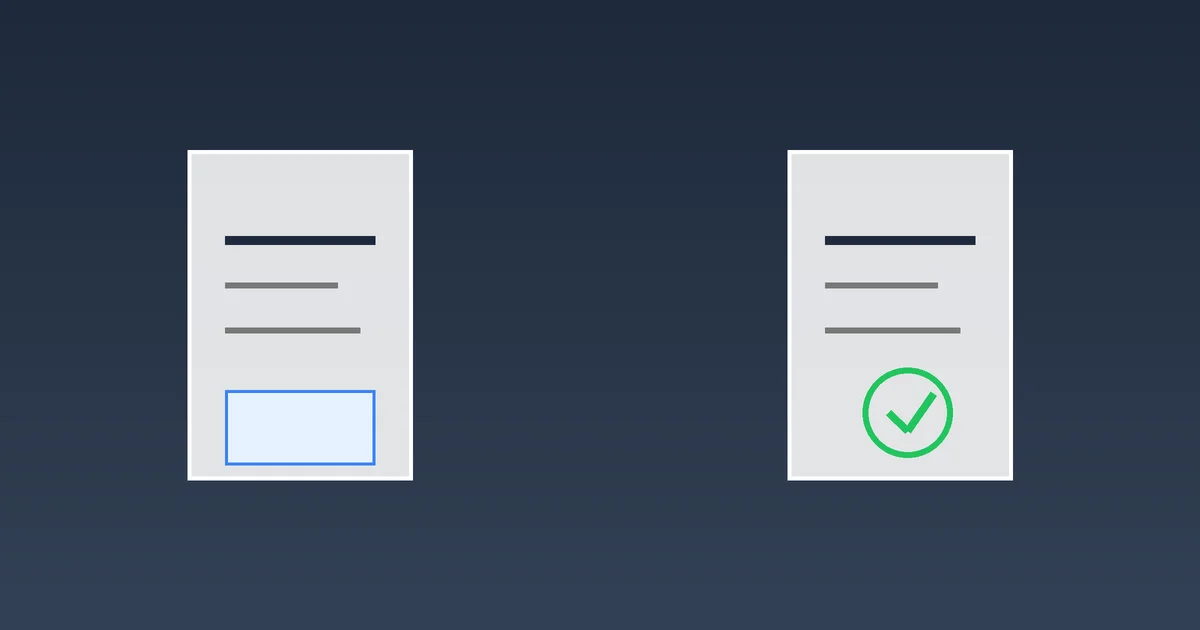
An invoice is a bill requesting payment for goods or services, sent before the buyer has paid, while a receipt is proof that payment was already made. That's the core of the invoice receipt difference: one asks for money, the other confirms it arrived. Everything else follows from that basic timing distinction.
What Is an Invoice?
An invoice lists what was sold or delivered, how much it costs, and when payment is due. It's a formal request for payment, usually sent after work is completed or goods are shipped, but before the customer actually pays. Think of it as the bill that starts the payment clock ticking.
Invoices typically include a due date, payment terms, and an invoice number for tracking. They're also the document most businesses rely on for accounting purposes, since they record what's owed even if the client hasn't paid yet. Without an invoice, there's often no formal trail showing a debt exists.
What Is a Receipt?
A receipt is proof that a payment happened. It's issued after money changes hands, confirming the amount paid, the date, and usually the payment method. Unlike an invoice, a receipt doesn't ask for anything, it simply documents that the transaction is complete.
Receipts matter for both buyer and seller. Customers keep them for returns, warranty claims, or expense reports. Sellers use them to close out a sale in their books and show that an outstanding invoice, if there was one, has now been settled in full.
what should an invoice include
Difference Table: Invoice vs Receipt at a Glance
The clearest way to see the difference between invoice and receipt is side by side, since the two documents diverge on nearly every point except that both mention money. Purpose, timing, and legal weight all differ in ways that matter for bookkeeping and customer trust.
| Feature | Invoice | Receipt |
|---|---|---|
| Purpose | Requests payment for goods or services | Confirms payment was received |
| When issued | Before or at the point of sale, before payment | After payment is made |
| Before/after payment | Before payment | After payment |
| Legal weight | Creates a record of debt owed | Proof of completed transaction |
| Typical contents | Invoice number, due date, itemized costs, payment terms | Amount paid, payment date, payment method |
Notice how each document marks a different stage of the same sale. An invoice opens the transaction by stating what's owed, and a receipt closes it by confirming payment landed. Skip the invoice, and a client may not know exactly what they owe. Skip the receipt, and there's no clean record the bill got paid.
When Is an Invoice Issued vs When Is a Receipt Issued?
An invoice goes out before payment, usually right after work wraps up or goods ship, while a receipt gets issued only once the payment has actually cleared. Timing is really the whole story here, not the size of the sale or the type of business involved.
A freelance designer, for example, sends an invoice the moment a project is finished, listing the total due and a payment deadline. The client hasn't paid yet, so at this stage only an invoice makes sense. Sending a receipt here would be premature, since there's nothing to confirm.
Once the client pays, whether by bank transfer, card, or cash, the seller issues a receipt acknowledging that payment. Retail stores handle this instantly at checkout, printing a receipt the second a card is charged. Service businesses often take longer, since payment might arrive days or weeks after the invoice date.
Does the gap between invoice and payment matter? It can. A long gap between issuing an invoice and receiving payment often signals cash flow trouble, which is exactly why many businesses track unpaid invoices closely and follow up before they become overdue.
Can an Invoice Also Be a Receipt?
An invoice can act as a receipt only after it's been marked paid, since the two documents represent opposite stages of a sale. A plain, unpaid invoice can never double as a receipt, because a receipt's entire purpose is confirming that payment already happened.
Some small businesses simplify their paperwork by stamping a paid invoice with "Paid," the payment date, and the method used. This turns the original invoice into a combined document that shows both what was owed and confirmation it's now settled. It's a common shortcut, especially for smaller transactions.
That said, larger businesses and anyone dealing with strict accounting or tax rules usually keep the two documents separate. Is a single paid-and-stamped invoice always good enough? Not always, some accountants and tax authorities expect a distinct receipt for audit trails, particularly for cash payments or high-value sales. When in doubt, issuing both keeps your records cleaner.
proforma vs commercial invoice guide
Examples: Invoice and Receipt in Real Scenarios
Seeing these documents in action makes the distinction stick better than definitions alone. Here are a few everyday scenarios showing exactly when a business sends an invoice versus a receipt.
Invoice example: A web developer finishes a client's website and sends an invoice for the agreed project fee, listing a fourteen-day payment window. The client hasn't paid yet, so this document simply states what's owed and by when.
Receipt example: A coffee shop customer pays for their order with a tap of their card, and the register prints a receipt showing the items, total, and payment method. No invoice was ever involved, since retail sales are typically paid on the spot.
Combined example: A plumber emails a client an invoice after finishing a repair job. Two days later, the client pays by bank transfer, so the plumber marks the invoice "Paid," adds the payment date, and sends it back as a paid receipt for the client's records.
Getting this right from the start saves confusion later, especially when clients ask for proof of what they've paid versus what they still owe. Create a professional invoice online for free → with FreeInvoiceOnline.com and generate clean, itemized invoices in minutes, no signup required.
FAQs
Is an invoice a receipt?
No, an invoice is a request for payment, while a receipt confirms payment already happened. An unpaid invoice never counts as a receipt. Only once an invoice is marked paid and shows payment details can it function as proof of a completed transaction.
What is the main invoice receipt difference for accounting purposes?
Invoices record what a client owes, so they show up as accounts receivable in your books. Receipts confirm that money actually arrived, closing out that receivable. Bookkeepers rely on both documents together to track outstanding balances and completed payments accurately.
Do small businesses need to issue both invoices and receipts?
Most do, especially for service-based work where payment often comes days after an invoice goes out. Retail businesses may skip formal invoices for walk-in sales but still issue receipts at checkout. It really depends on how and when payment happens.
Can I use the same document as both invoice and receipt?
Yes, if you mark a paid invoice with the payment date and method, it can serve as both. This works fine for many small transactions. Larger sales or stricter accounting setups usually call for a separate, clearly labeled receipt instead.
What should a receipt include that an invoice doesn't?
A receipt needs the actual payment date and payment method, like card, cash, or bank transfer, since its whole job is confirming payment happened. Invoices instead focus on payment terms and a due date, because the money hasn't arrived yet.
Conclusion
The invoice vs receipt question really comes down to one thing: timing. An invoice asks for payment, a receipt confirms it arrived, and knowing which one to send keeps your records straight and your clients clear on what they owe. Mixing the two up rarely causes serious harm, but it does create unnecessary confusion at exactly the moment you want things simple.
Ready to put this into practice? Create a professional invoice online for free → with FreeInvoiceOnline.com and send clear, professional invoices your clients will actually understand.